
Water Leadership Institute

Arizona Chapter
We proudly support the
Water Leadership Institute cohorts in Arizona through partnerships with Environmental Defense Fund.
The Water Leadership Institute provides a unique opportunity to learn more about water in Arizona and find community with others passionate about water leadership. Arizona chapters span across the US-Mexico border and sovereign nations, creating connections that facilitate multinational collaboration.
There are currently two WLI chapters in Arizona, one in Southern Arizona and a Northern Arizona cohort to pilot in 2026.
-
Adapted from the Water Leadership Institute website:
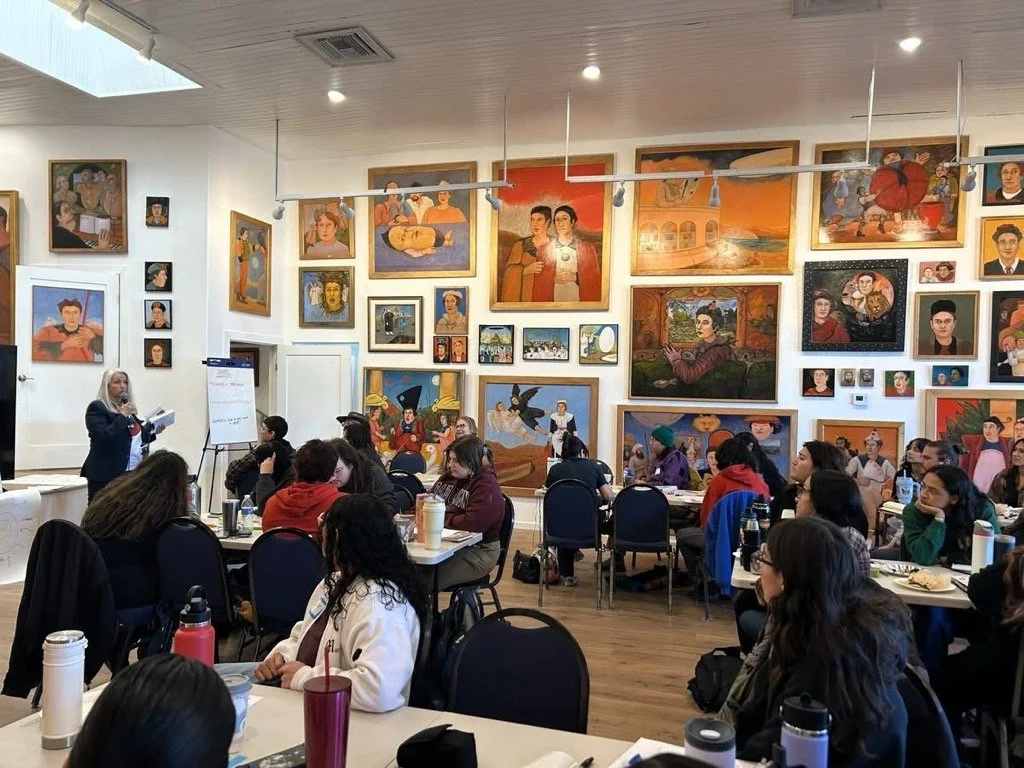
The Water Leadership Institute (WLI) equips frontline community leaders with the skills, knowledge, and networks to address water challenges in their communities. The WLI brings together water leaders from diverse backgrounds and stages of their leadership journeys, creating a space to learn from one another, deepen understanding, and build a lasting community of support. Through a focus on leadership development, shared learning, and collaboration, the WLI strengthens community capacity and helps cultivate confident, connected leaders who can advance innovative and equitable water solutions.
-
Adapted from the Water Leadership Institute website:
RCAC’s Leadership Institute began in 2004 to build the capacity of rural residents to participate meaningfully in their communities and in local decision-making spaces. In 2013, the curriculum was adapted to create the Water Leadership Institute (WLI) in partnership with leading community development organizations, including Environmental Defense Fund (EDF), Self-Help Enterprises, the Ford Leadership Institute, and Western New Mexico University. Since then, the Leadership Institute and WLI have been delivered in more than 60 communities across the rural West.
In California, many small rural communities—largely low-income, Spanish-speaking farming communities—live in some of the state’s most critically overdrawn groundwater basins and rely on water that is often unsafe to drink. As the state grapples with groundwater scarcity, these communities are frequently excluded from planning processes, despite the fact that they hold deep local knowledge and are essential to shaping effective, just, and durable water solutions.
To address this gap, RCAC and EDF have co-facilitated the Water Leadership Institute since 2016, offering bilingual workshops that equip participants with the skills, knowledge, and confidence needed to engage in local water decisions, collaborate with partners, and advance equitable water strategies. EDF continues to partner with Groundwater Sustainability Agencies to cultivate local leadership capacity and strengthen long-term community resilience.
-
Adapted from the Water Leadership Institute website:
In 2024, the WLI approach expanded beyond California for the first time with the launch of two simultaneous cohorts in Southern Arizona—one in South Tucson and one in Nogales. This marked a major milestone in adapting the program to a non-California context and introduced the WLI’s first transboundary focus, engaging participants from both the United States and Mexico. The success of these Arizona cohorts reflects the growing applicability of the WLI model across diverse regions and communities.
Southern Arizona
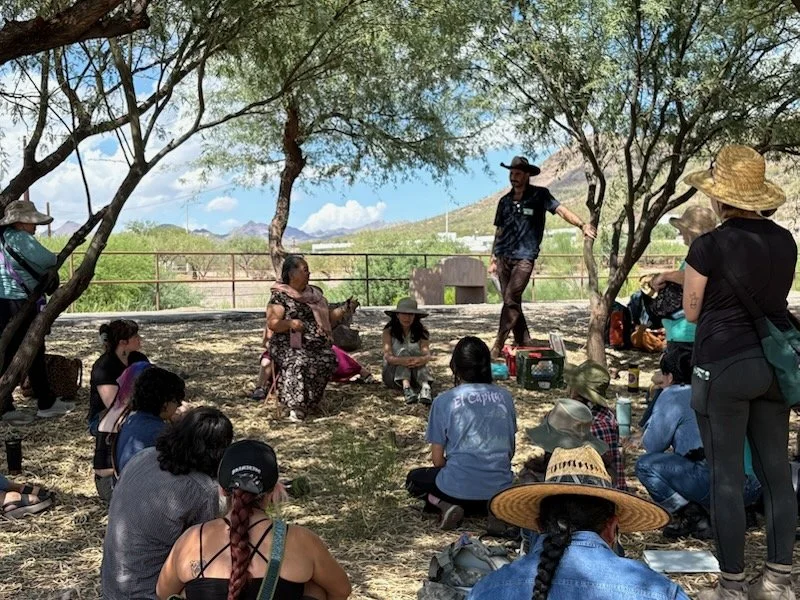
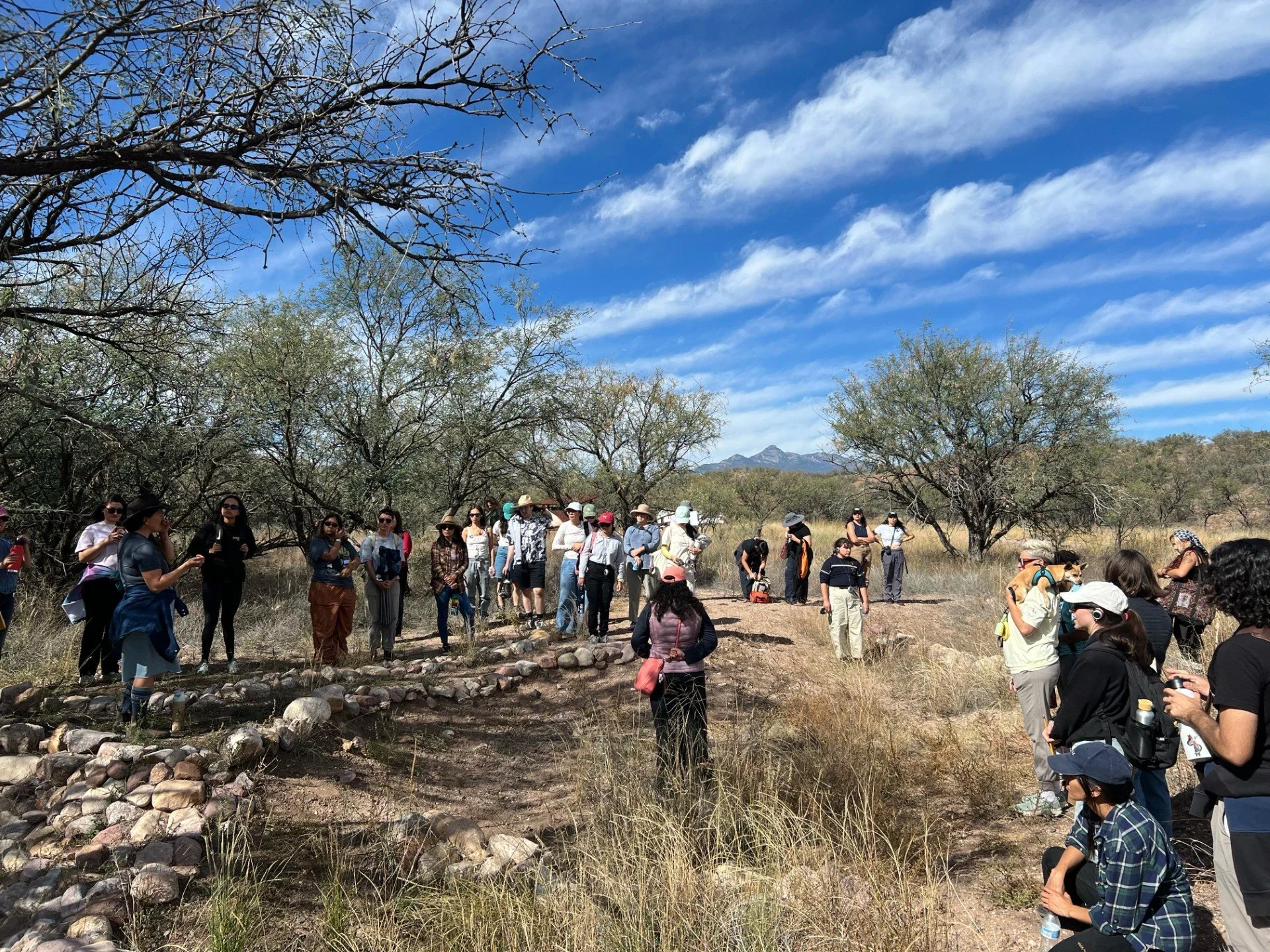
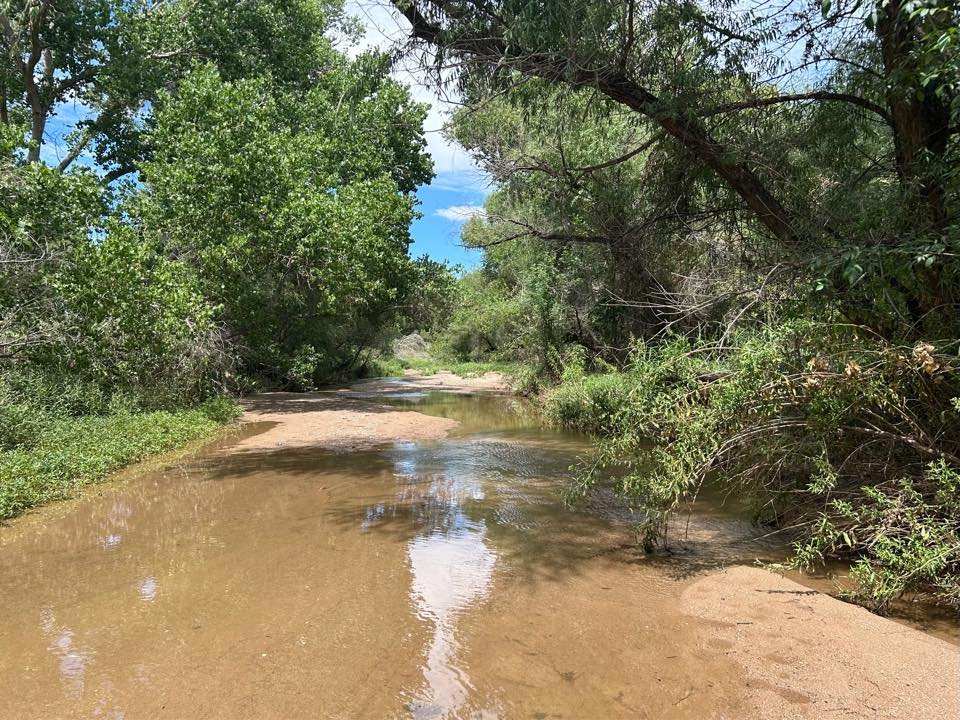
Participants explored how past decisions and actions have shaped the current conditions of the Santa Cruz River Watershed. Moving through a transboundary river system such as the Santa Cruz River exposed participants to the unique challenges on co-stewardship across Nations, and the possibilities that can arise through collaborative solutions. By the end of the sessions, participants reflected on their personal leadership style, strengths, relationships, and interests, and identified ways to apply their learning to advocate for water justice
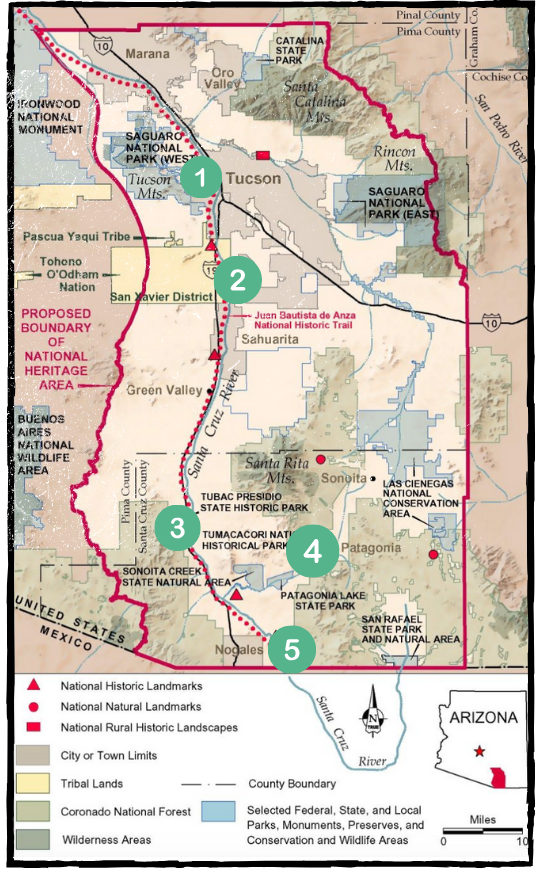
Fall 2025:
Santa Cruz River Heritage Project in Cuk Son (Tucson)
San Xavier District of the Tohono O’Odham Nation
San Gertrudis Lance in Tubac, AZ
Borderlands Restoration Network in Patagonia, AZ
Wittner Museum in Nogales, AZ
Theme 1: Historical Context
Guiding Question: How have people in the past shaped the way we live and relate to water today?
Learning Objective: Explore how past decisions and actions have shaped the current conditions of the watershed and surrounding communities.
Core Curriculum Themes
Theme 2: WASH Pathways
Guiding Question: How do systems past and present impact water access, sanitation, and hygiene?
Learning Objective: Understand the fundamental building blocks of Water, Sanitation, and Hygiene (WASH) and their connection to environmental justice.
Theme 3: Transboundary Resilience
Guiding Question: What makes Arizona unique and what opportunities and responsibilities come with sharing water across borders?
Learning Objective: Explore the unique challenges and possibilities that arise from a transboundary river system.
Theme 4: Leadership
Guiding Question: How might I continue to show up as a water leader in my community?
Learning Objective: Reflect on your personal leadership style, strengths, relationships, and interests, and identify ways to apply your learning to advocate for water justice.


Northern Arizona
In spring 2026, Northern Arizona University’s Water, Society, and Policy Lab, Environmental Defense Fund, and Arizona Water for All will pilot a cohort in Northern Arizona with a broad focus on the Colorado Plateau. Here, WLI will take a new format as it will blend asynchronous learning workshops with field visits, and an overnight retreat. In Northern Arizona, WLI topics will focus on Surface and Groundwater Policy, Cross-Sector Collaboration, Leading through Uncertainty, and Water Stewardship. The Northern Arizona Cohort is in an active planning phase.
News and Updates
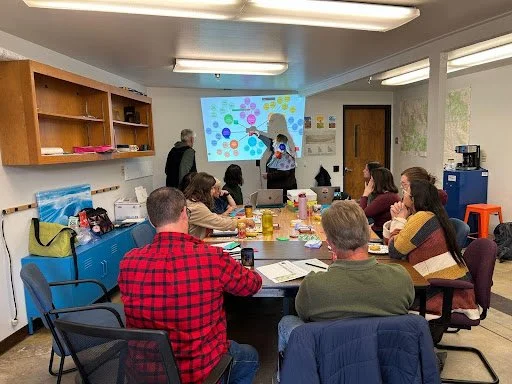
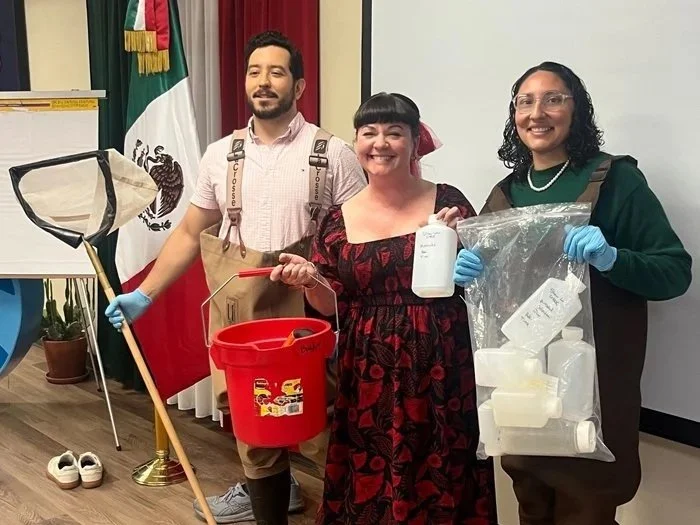
Northern Arizona prepares to bring the Water Leadership Institute to the region through collaboration and partnerships across the region.